Find your flow. Transform your life.
Yoga is more than a workout — it's a complete system for mind, body, and spirit. Explore six transformative styles, learn the steps, and discover the science-backed benefits of each.
6
yoga styles
300M
practitioners globally
80+
medical benefits
5000
years of tradition
Hatha Yoga
हठ योग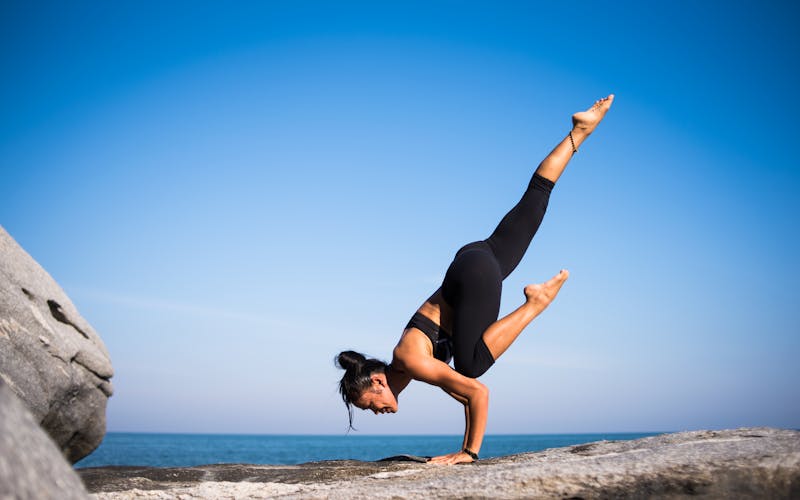
Hatha yoga is the starting point for most yoga traditions. It focuses on basic postures (asanas) and breathing (pranayama) at a gentle pace, making it ideal for beginners seeking balance, flexibility, and peace of mind.
Medical Benefits
Reduces Stress
Lowers cortisol levels and activates the parasympathetic nervous system.
Improves Flexibility
Regular practice increases range of motion in joints and lengthens muscle tissue.
Heart Health
Gentle movement improves circulation and reduces blood pressure over time.
Better Sleep
Evening Hatha sessions calm the mind and prepare the body for deep rest.
How to Practise — Step by Step
- 1
Begin in Mountain Pose (Tadasana) — stand tall, feet together, arms at sides.
- 2
Move to Cat-Cow Pose — on all fours, alternate arching and rounding your spine with breath.
- 3
Flow into Downward Dog (Adho Mukha Svanasana) — form an inverted V-shape, press heels down.
- 4
Step forward to Forward Fold (Uttanasana) — hinge at hips, let head hang heavy.
- 5
Rise to Warrior I (Virabhadrasana I) — lunge forward, arms overhead, gaze up.
- 6
Rest in Child's Pose (Balasana) — kneel, sit back on heels, arms extended forward.
- 7
Finish with Corpse Pose (Savasana) — lie flat, eyes closed, 5 minutes of stillness.
Pro tip: Practise in the morning on an empty stomach for maximum benefit.
Vinyasa Yoga
विन्यास
Vinyasa yoga links movement with breath in a continuous, flowing sequence. No two classes are the same — it's creative, energising, and builds both strength and flexibility. Often called "Flow" yoga.
Medical Benefits
Burns Calories
A vigorous session burns 400–600 calories, supporting healthy weight management.
Builds Strength
Arm balances and core work in Vinyasa develop functional whole-body strength.
Lung Capacity
Breath-linked movement trains the lungs to become more efficient.
Mental Focus
Following complex sequences requires full attention, quieting mental chatter.
How to Practise — Step by Step
- 1
Start with 3 rounds of Sun Salutation A (Surya Namaskar A) to warm the body.
- 2
Flow into Plank Pose — hold for 5 breaths, engage core and glutes.
- 3
Lower to Chaturanga — elbows at 90°, body parallel to the floor.
- 4
Sweep into Upward Dog (Urdhva Mukha Svanasana) — hips lifted, chest open.
- 5
Push back to Downward Dog and hold for 5 breaths.
- 6
Step or jump to the top of the mat, rise to Standing.
- 7
Link these poses continuously with inhale = expansion, exhale = contraction.
Pro tip: Don't skip Savasana — it's when the body integrates the practice.
Yin Yoga
यिन योग
Yin yoga involves holding passive poses for 3–5 minutes, targeting the deep connective tissues — fascia, ligaments, and joints. It is profoundly relaxing, meditative, and complementary to more active practices.
Medical Benefits
Joint Health
Long holds hydrate and strengthen cartilage, reducing risk of arthritis.
Fascia Release
Targets connective tissue that no amount of dynamic stretching can reach.
Nervous System Reset
Activates the parasympathetic "rest and digest" response, lowering anxiety.
Organ Health
Traditional Chinese Medicine links Yin poses to specific organ meridians.
How to Practise — Step by Step
- 1
Begin lying in Constructive Rest — knees bent, feet flat, hands on belly.
- 2
Move into Butterfly Pose — soles together, fold forward gently, hold 3–5 min.
- 3
Transition to Dragon Pose (low lunge) — sink deeply into the hip flexor, 4 min each side.
- 4
Roll onto back for Supine Twist — let both knees fall to one side, arms wide, 4 min each.
- 5
Practise Caterpillar — seated forward fold, spine rounded, 5 minutes.
- 6
End in Savasana for a minimum of 10 minutes — allow the body to absorb the practice.
Pro tip: Use blankets and bolsters — comfort allows you to hold poses longer.
Kundalini Yoga
कुण्डलिनी
Kundalini yoga combines dynamic exercises (kriyas), breathwork (pranayama), chanting, and meditation to awaken dormant energy at the base of the spine. It is deeply transformative and spiritual in nature.
Medical Benefits
Energy Boost
Kriyas activate the endocrine system, increasing vitality and reducing fatigue.
Mental Clarity
Breathwork oxygenates the brain, improving focus, memory, and decision-making.
Emotional Balance
Regular practice regulates the nervous system and reduces symptoms of depression.
Spiritual Growth
Awakens intuition and cultivates a deeper sense of purpose and inner knowing.
How to Practise — Step by Step
- 1
Open with Tuning In — chant "Ong Namo Guru Dev Namo" 3 times to set intention.
- 2
Practise Breath of Fire (Kapalabhati) — rapid rhythmic nasal breathing for 1–3 minutes.
- 3
Do Spinal Flexes — seated, hands on knees, flex spine forward and back with breath.
- 4
Perform Ego Eradicator — arms at 60°, fingers curled, thumbs up, Breath of Fire for 3 min.
- 5
Move into a Kriya (set sequence) appropriate for your goal — e.g. stress relief or heart opening.
- 6
Deep Relaxation — lie in Savasana for 11 minutes.
- 7
Close with meditation and Long Sat Nam chant.
Pro tip: Wear white or light clothing — it is believed to expand the aura.
Ashtanga Yoga
अष्टांग
Ashtanga is a rigorous, set sequence of poses practised in the same order every time. It builds heat (tapas), purifies the body through sweat, and demands commitment. The Primary Series alone takes 90 minutes.
Medical Benefits
Full-Body Strength
The Primary Series develops extraordinary strength, especially in core and arms.
Cardiovascular
Continuous movement elevates heart rate — comparable to moderate cardio.
Discipline
The fixed sequence develops mental fortitude and meditative focus.
Detoxification
Internal heat and sweat eliminate toxins through the skin.
How to Practise — Step by Step
- 1
Sun Salutation A — 5 rounds. Sun Salutation B — 5 rounds. This is the foundation.
- 2
Standing Sequence — Trikonasana, Parsvakonasana, Prasarita Padottanasana, Parsvottanasana.
- 3
Primary Series seated poses — Paschimottanasana, Janu Sirsasana, Marichyasana series.
- 4
Always use Ujjayi breath — a soft ocean-sound breath through the nose.
- 5
Apply bandhas — Mula Bandha (root lock) and Uddiyana Bandha (abdominal lock) throughout.
- 6
Fix your drishti — a specific gaze point for each pose aids concentration.
- 7
Finish with closing sequence — Setu Bandhasana through Sirsasana (headstand), then Savasana.
Pro tip: Practise 6 days a week; rest on moon days and Saturdays (Mysore tradition).
Restorative Yoga
पुनर्स्थापन
Restorative yoga uses props — bolsters, blankets, blocks, and straps — to support the body in passive poses for 5–20 minutes each. There is no muscular effort; the nervous system heals through complete surrender.
Medical Benefits
Anxiety Relief
Activates the vagus nerve, reducing anxiety, panic, and chronic worry.
Chronic Illness
Recommended by oncologists, cardiologists, and therapists as complementary care.
Sleep Disorders
A 20-minute restorative session before bed dramatically improves sleep quality.
Injury Recovery
Zero load on joints makes it safe during rehabilitation from injury or surgery.
How to Practise — Step by Step
- 1
Gather props: 2 blankets, 1 bolster or firm pillow, 2 yoga blocks.
- 2
Supported Child's Pose — bolster under chest, 10 minutes. Let gravity do the work.
- 3
Legs Up the Wall (Viparita Karani) — lie on back, legs vertical against wall, 10–15 min.
- 4
Supported Reclining Butterfly — bolster under spine, blanket under knees, 10 min.
- 5
Supported Bridge — block under sacrum at medium height, arms at sides, 8 min.
- 6
Savasana — fully bolstered, eye pillow optional, minimum 10 minutes.
- 7
Transition out slowly — never rush from a restorative pose.
Pro tip: Keep a journal nearby — deep rest often surfaces emotions and insights.
🧘♀️
Ready to begin?
Start with 10 minutes of Hatha or Restorative yoga today. You don't need a mat, special clothes, or experience — just a quiet space and a willing mind.